There are around 20 types in the UK and that number is increasing mainly due to increased deer populations but climate change is also affecting numbers. Found mainly in woodland and heath areas.
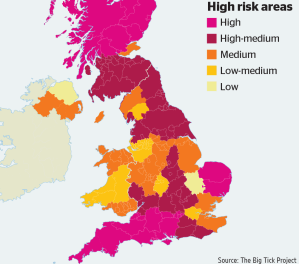
There were some quite serious outbreaks in sheep during the early months of 2020.
Click to access information-note-ticks.pdf
Mainly seasonal in the UK between March and June, and again from August to November, there is still a risk of picking them up all year round.
They can’t jump or fly, but when ready for a meal will climb a nearby piece of vegetation and wait for a passing animal or human to catch their hooked front legs. A behaviour known as questing.
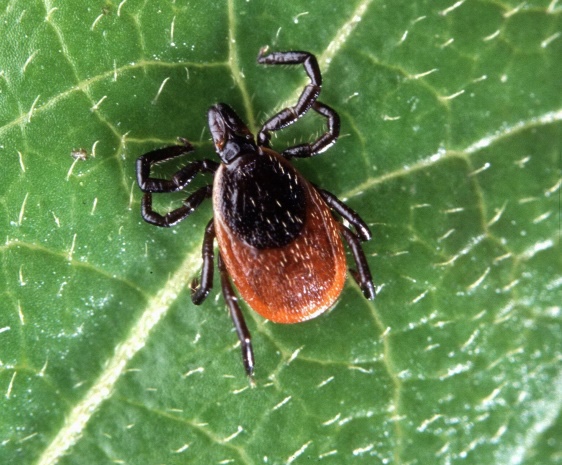
aka castor bean, sheep or deer tick
The tick won’t necessarily bite immediately, often spending time finding a suitable site on the skin, so it is important to brush off pets and clothing before going inside.
Socks pulled up high, coats or jackets tight around wrists. Wellingtons also offer protection.
If you do get bitten don’t do what I did which was to get it out any way possible as quickly as possible.
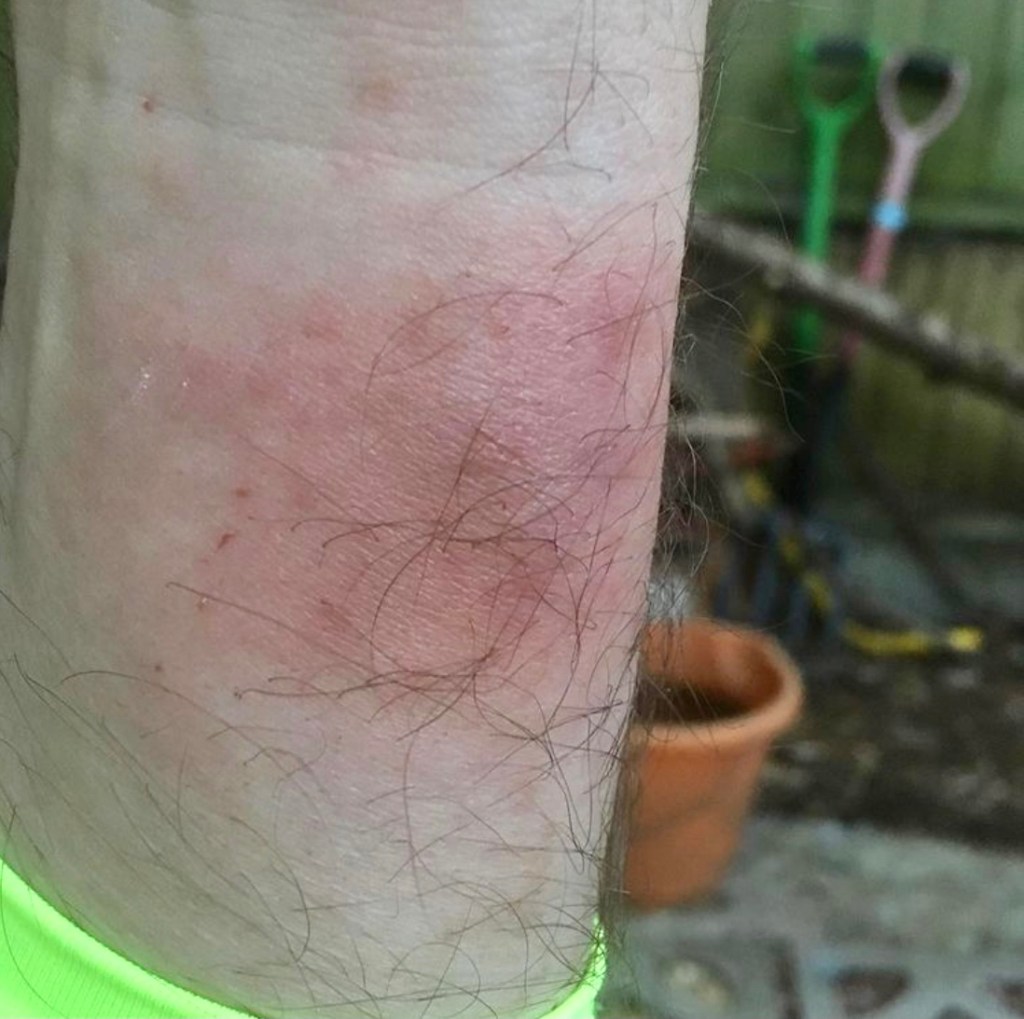
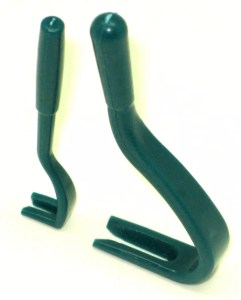
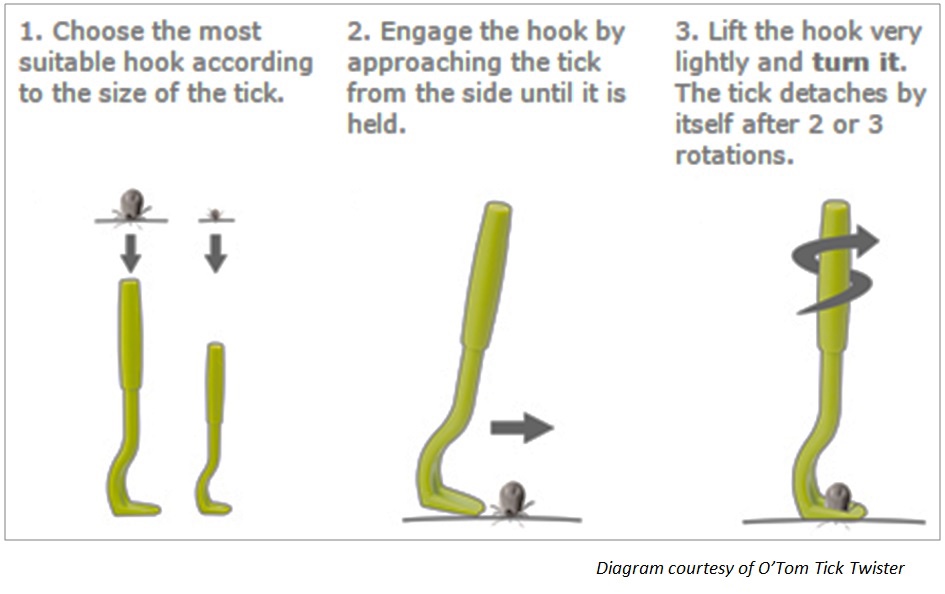
Seeing an insect burrowing into your skin sucking blood can be quite unsettling however keep calm and use a pair of tweezers or a tick removing tool as below.
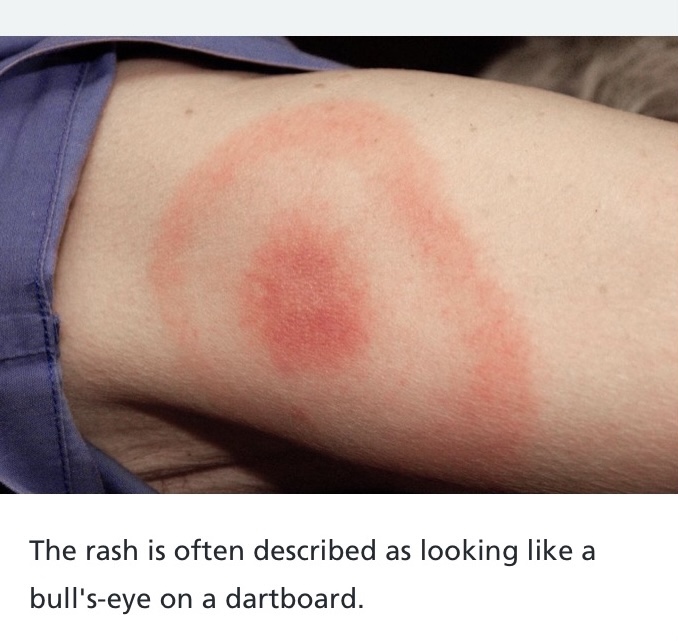
If you are bitten cleanse the site wound and wait for a reaction which will be between 3 and 30 days. 1 in 3 people won’t get a rash instead having flu like symptoms. At this point seek medical advice which will generally be antibiotics, I don’t take these lightly as I’m aware humans are building up resistance. This was one of the instances I insisted on having them. Left untreated the consequences could be horrendous, a range of diseases including Lyme disease.

Tips and tricks to stay safe from ticks
 Kayak & Cycling Tours of Scotland